
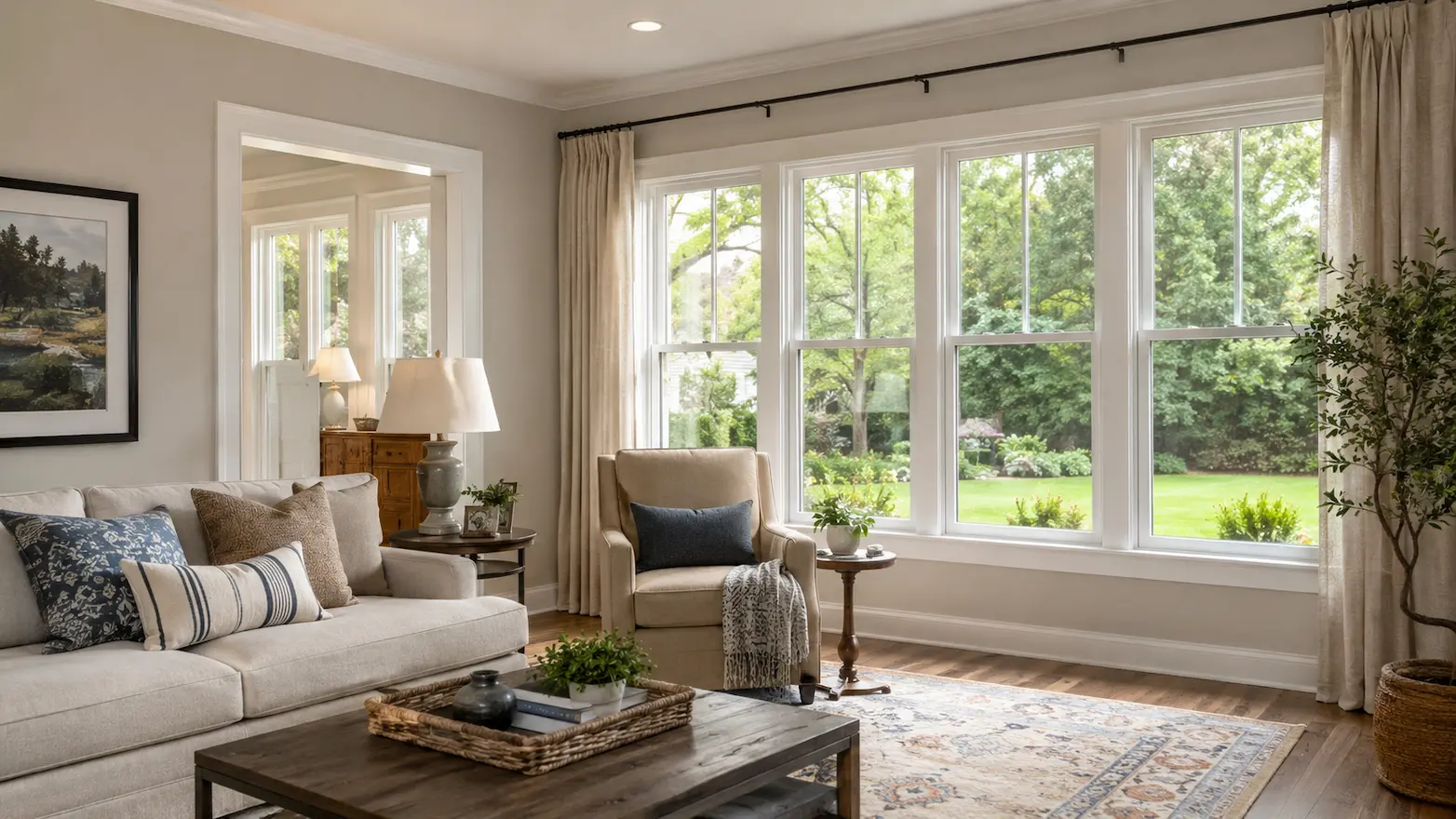
Window renovation often starts with a small frustration that becomes harder to ignore. A room feels too warm in the afternoon. A window is difficult to open. Street noise feels louder than it should. The frame looks tired from the outside. Curtains stay closed because the light is harsh, uneven, or uncomfortable.
At first, it may seem like a simple product decision. Choose new windows, pick a style, schedule installation, and move on. In a real home, the better first step is slower. Homeowners should understand what the current windows are failing to do and what the new ones need to improve.
At Amour Remodeling DFW, we believe a window renovation should support comfort, function, and the way the home feels every day. The goal is not only to make the house look newer. The goal is to help the windows work better for the rooms they serve.
Window Renovation Should Start With Daily Comfort
Window renovation should begin with the rooms where homeowners feel the problem most. Some windows look acceptable but make the home less comfortable. A bedroom may feel hot even when the rest of the house is cool. A living room may have glare during the hours when the family uses it most. A home office may feel noisy or drafty.
Those details matter because they point toward the right scope. A window that is hard to open creates a different problem than a window that lets in too much heat. A window with worn trim may need a different plan than one with damaged glass, poor sealing, or outdated performance.
A smarter update starts with discomfort, not just appearance. When homeowners understand what the window needs to solve, the project becomes easier to plan.
Energy Efficient Windows Can Improve How Rooms Feel
Energy efficient windows are often discussed in terms of savings, but comfort may be what homeowners notice first. Better-performing windows can help reduce drafts, heat gain, and temperature swings near glass areas.
That matters in Dallas-area homes because sunlight, heat, and seasonal changes can make some rooms harder to enjoy. If the window is part of the problem, replacing it may help the room feel more balanced.
Window renovation should look at the whole room. Window orientation, glass performance, shade, insulation, air sealing, and HVAC behavior can all influence comfort. New windows may help, but the best result comes from understanding why the room feels uncomfortable in the first place.
The goal is not only to install a better product. It is to make the space easier to live in.
Replacement Windows Are Not Always Only About Age
Replacement windows can make sense when existing units are damaged, inefficient, difficult to operate, or no longer support the home’s comfort. Age may be part of the reason, but it should not be the only reason.
A newer window can still be wrong for the room if it was poorly installed, mismatched to the opening, or selected without considering light and heat. An older window may still function well if it has been maintained properly and fits the home’s character.
This kind of update should separate cosmetic frustration from performance problems. Peeling trim, fogged glass, broken seals, sticking sashes, drafts, and poor operation all suggest different levels of work.
Homeowners make better decisions when they know whether the issue is appearance, function, installation, or full replacement.
Window Project Scope Should Be Clear Early
Window project scope can change quickly if it is not defined early. A homeowner may begin with one problem window, then realize several rooms have similar issues. Another homeowner may want replacement windows, but the surrounding trim, siding, paint, or interior finish also needs attention.
The project may be simple, or it may need more coordination. That can include measuring, ordering, removal, installation, sealing, trim work, paint touch-ups, exterior finish repair, and cleanup. In some homes, window changes may also affect blinds, curtains, furniture placement, or wall finishes.
Window renovation feels easier when homeowners know what is included and what is not. A clear scope helps avoid surprises and makes the project easier to compare.
The better question is not only how many windows need updating. It is what each opening requires.
Light Should Be Planned, Not Just Increased
Many homeowners want more natural light, but more light is not always better. The right light depends on the room. A kitchen may benefit from bright morning light. A bedroom may need softness and privacy. A living room may need light without glare on screens or seating areas.
A window update should consider how light enters the room throughout the day. A larger window may not be the best answer if it creates heat or glare. A better glass choice, improved placement, or updated coverings may support the room more effectively.
The strongest window updates make light feel useful. They help the room feel brighter, but still comfortable.
A window should support the routine of the space, not overpower it.
Noise Can Be Part of the Decision
Noise is one of the reasons homeowners start thinking about window updates. Traffic, nearby construction, neighbors, dogs, or general street activity can make certain rooms feel less calm than they should.
Windows are not the only factor in noise control, but they can be part of the conversation. Glass type, frame condition, sealing, installation quality, and the surrounding wall all matter.
Window renovation should be planned honestly around expectations. A new window may help reduce unwanted noise, but the final result depends on more than the glass alone. The opening needs to be properly installed and sealed so the window can perform as intended.
A quieter room often starts with better control around the entire opening.
Curb Appeal Should Still Respect the Home
Windows can change the outside of a home quickly. Frame color, grille pattern, glass size, trim, and spacing all affect curb appeal. That is why exterior appearance should be part of the decision from the beginning.
Replacement windows should not look disconnected from the home’s style. A modern frame may work beautifully in the right setting, but feel out of place on a more traditional exterior. Divided lite patterns, trim thickness, and color choices should be selected with the full elevation in mind.
Window renovation should improve the home without making one window look newer than everything around it. If only some windows are being replaced, the plan should consider how they will relate to existing openings.
A good update should look natural after installation, not patched in.
Interior Trim and Finish Details Matter
Homeowners often focus on the window itself and forget about the interior finish around it. Trim, casing, drywall returns, sill condition, paint, and nearby wall details affect how complete the project feels.
A window can be installed correctly and still look unfinished if the surrounding trim is not handled well. This is especially important in rooms where the window is a focal point, such as a living room, kitchen, office, or primary bedroom.
Window renovation should account for both sides of the opening. The exterior needs protection from weather, and the interior needs a finish that feels connected to the room.
The final detail is what makes the update feel like part of the home.
Function Should Be Matched to the Room
Different rooms need different window functions. A bedroom may need egress considerations, privacy, airflow, and comfort. A kitchen may need light and easy operation. A bathroom may need privacy and moisture awareness. A living room may need larger glass and a clean view.
That is why window style should follow room use. Fixed windows, single-hung, double-hung, casement, sliding, picture, or specialty windows all serve different needs.
Window renovation should not treat every opening the same. A window that works well in a hallway may not be the right choice for a bedroom or office.
The best choice supports how the room is actually used.
Installation Quality Affects Long-Term Value
Even a strong window product can underperform if the installation is weak. Measurements, fit, flashing, sealing, insulation around the opening, alignment, and finish work all matter.
Poor installation can lead to drafts, water concerns, difficult operation, or premature wear. That is why homeowners should think about the installer as much as the product.
Window renovation is not only a purchase. It is a construction detail that becomes part of the home. The window needs to sit correctly inside the opening and connect properly to the surrounding wall system.
A careful installation protects the value of the entire update.
When a Window Update Becomes a Larger Project
Sometimes a window project stays focused. Other times, it connects to a larger improvement. Exterior painting, siding repair, interior trim work, room updates, insulation concerns, or moisture damage may all become part of the conversation.
That does not mean the project has to expand unnecessarily. It means homeowners should be aware of what the window reveals. If the surrounding wall is damaged or the exterior finish is failing, replacing the window alone may not fully solve the problem.
The scope should be handled honestly. A simple project should stay simple. A more involved project should be planned before work begins.
The value comes from choosing the right level of work, not the largest one.
Plan the Window Update Before Ordering
The strongest decisions happen before products are ordered. Homeowners should review comfort issues, window condition, room use, exterior style, energy goals, budget, and installation needs first.
At Amour Remodeling DFW page we can help homeowners understand how window installation options fit into a Dallas-area remodeling plan. The right conversation should cover product choice, fit, style, and how the update supports the home.
Window renovation becomes much easier when the project is not rushed into a product decision. Once the scope is clear, homeowners can choose windows with more confidence.
A better plan leads to a better result.
Ask Amour About Window Installation Options
Window renovation can improve comfort, light, noise control, curb appeal, and daily use when the project is planned around the home’s real needs. The right choice depends on more than size or style. It depends on room function, installation quality, exterior details, and how the window fits the larger project scope.
At Amour Remodeling DFW, we help homeowners move from early questions into a clearer plan. If your windows are affecting comfort, appearance, or how your rooms feel, contact us to ask Amour about window installation options for your home.
FAQ
What is window renovation?
Window renovation is the process of updating existing windows to improve comfort, function, appearance, efficiency, or fit within the home.
When should I consider replacement windows?
Replacement windows may make sense when windows are drafty, damaged, hard to operate, fogged, outdated, or no longer supporting the room well.
Are energy efficient windows worth considering?
Yes. Energy efficient windows can help improve comfort near glass areas and may reduce drafts, heat gain, or temperature swings.
What affects window project scope?
Window project scope can depend on the number of windows, condition of the openings, trim, exterior finish, sealing, installation needs, and room goals.
Can window renovation improve curb appeal?
Yes. Updated windows can improve curb appeal when style, frame color, trim, grille pattern, and proportions fit the home’s exterior.
How should I start planning a window update?
Start by identifying comfort problems, window condition, room use, exterior appearance, budget, and whether focused replacement or broader work is needed.