A loft conversion often begins with a feeling that the house almost works. The main rooms still do their job, but the home does not feel as easy as it used to. Someone needs a quieter place to work. Guests need more privacy. A child needs a room that feels more grown up. Storage keeps spreading into spaces meant for daily life. That is usually when the upper part of the home starts looking different.
What once felt like leftover space begins to feel like a possible answer. Still, possibility is not the same as readiness. A loft may look open, usable, or close to finished, but the real question is whether it can become a room that feels natural, comfortable, and safe as part of the home.
At Amour Remodeling DFW, we think a loft conversion should start with clarity. Not only what the room could look like, but how it would function, how people would reach it, how it would feel throughout the year, and whether it solves a real need without making the home harder to live in.
A Loft Conversion Starts With the Space You Actually Have
A lot of homeowners begin with the finished idea. A home office. A guest room. A reading loft. A media space. A playroom. That part is easy to imagine because it connects to a real need.
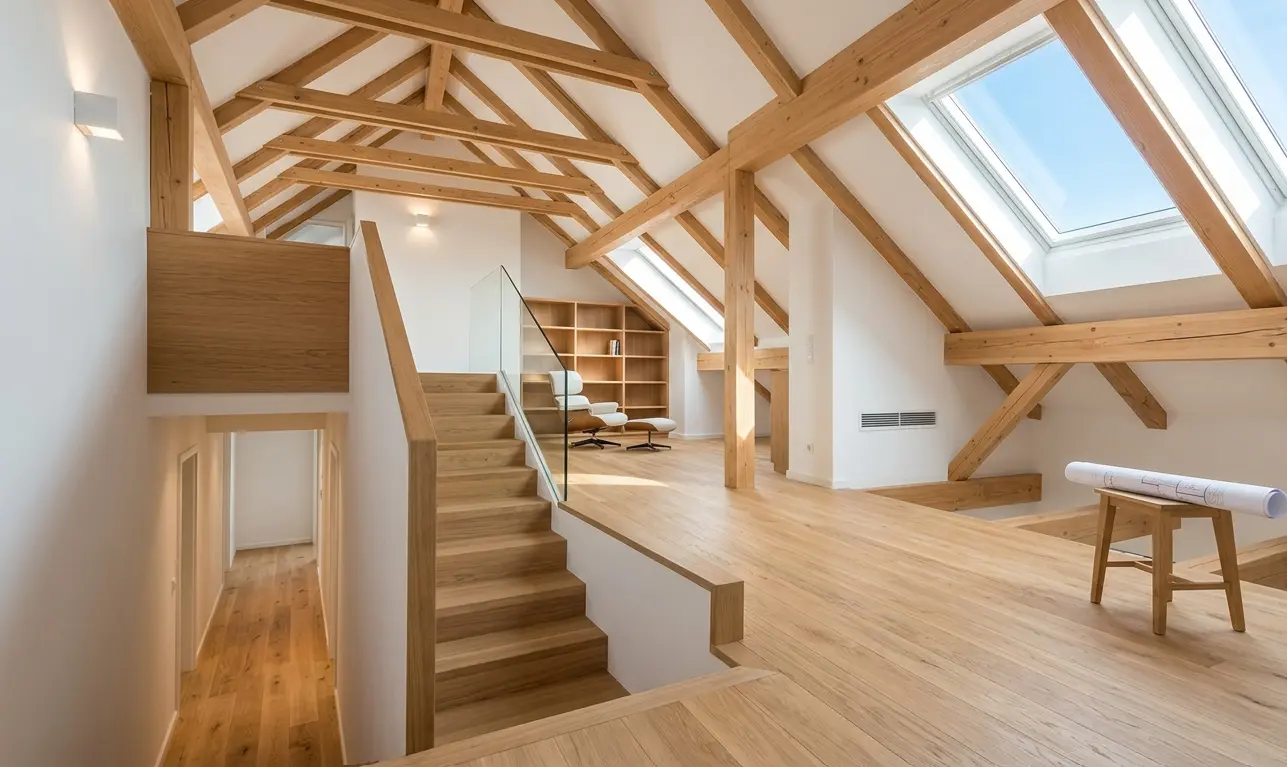
The stronger place to begin is the existing space. A loft conversion depends on ceiling height, structure, access, layout, ventilation, lighting, and how the space connects to the rest of the home. A loft that feels promising at first glance may still need careful planning before it can support daily use.
This is where homeowners usually benefit from slowing the decision down. The question is not simply “Can we finish this?” It is “Can this area become a room that belongs here?” If the space has the right bones, the project becomes easier to trust. If it needs major adjustment, that should be understood before design expectations get too fixed.
Loft Conversions Should Solve a Real Daily Problem
The best loft conversions do not happen because there is unused space. They happen because the home has a real pressure point.
Maybe remote work has made the kitchen table impossible. Maybe guests have nowhere comfortable to stay. Maybe toys, books, equipment, or seasonal storage keep taking over shared rooms. Maybe the family needs one flexible space that can change as life changes.
That kind of need matters. A loft conversion should make the home easier, not just fuller. A room that looks good but feels disconnected, too hot, too cramped, too hard to access, or too awkward to use will not solve much in the long run.
At Amour Remodeling DFW, we think the purpose of the room should guide the plan from the beginning. A flexible living space needs to support real routines, not just look finished in photos.
Access Can Decide Whether the Room Feels Natural
Access is one of the most important parts of a loft conversion. If the way into the room feels awkward, the room itself may always feel separate from the home.
A loft used for storage may not need much. A loft used for work, guests, or everyday living needs safer, more comfortable access. Stairs, landings, hallway flow, head clearance, and nearby room layout can all affect whether the finished space feels integrated.
This is why access should be discussed early. It can influence cost, design, timeline, and daily usability. A well-planned entry makes the loft feel like a real part of the house. A poorly planned one can make the space feel like an afterthought.
A good loft conversion should not ask the homeowner to adjust daily life around a clumsy solution. The access should support the room, not work against it.
Structure Matters Before Style
A loft may feel open and useful, but the structure still needs to support the plan. Floors, framing, load conditions, and the way the space was originally built all matter.
This is especially important when homeowners compare a loft conversion with an attic conversion. Some loft spaces already have more openness and visibility. Some attic spaces begin as storage or unfinished areas. In both cases, structure should be evaluated before finishes are selected.
The finish layer cannot fix a weak planning foundation. Flooring, trim, paint, lighting, and built-ins may make the room look complete, but the room has to be able to support its intended use first.
At Amour Remodeling DFW, we see this as one of the most important early questions. What does the space already allow, and what must be improved before it becomes truly livable?
Comfort Is What Makes the Space Worth Using
A flexible room only works if people actually want to spend time there. That means comfort has to be part of the plan from the beginning.
A loft conversion may need insulation, ventilation, HVAC adjustments, better lighting, and thoughtful material choices. Upper-level spaces can feel warmer, brighter, quieter, or more exposed depending on the home. Those conditions should shape the design.
A loft office needs comfort for long stretches of focus. A guest space needs privacy and temperature control. A playroom needs durability and safety. A reading room needs calm lighting and a feeling of separation without feeling isolated.
A finished loft that is too hot, too dim, too noisy, or too disconnected may technically add usable space, but it will not feel like a real improvement. Comfort is what turns the project into a room the household keeps using.
A Loft Conversion Can Be More Flexible Than a Traditional Addition
Some homeowners start by thinking they need more square footage. That can lead them to compare remodelers, additions, and home extension builders. In some cases, a new addition is the right move. In others, the smarter first question is whether the home already has space that can be used better.
A loft conversion can sometimes create meaningful function without expanding the footprint of the home. That does not mean it is automatically simpler or cheaper than every addition. Access, structure, mechanical work, and finish level still matter. But it can be a strong option when the home needs more usable room and the existing space has potential.
The comparison should be honest. An addition creates new space. A loft conversion reclaims space that already exists. The right choice depends on what the home can support and what the family actually needs.
Flexible Living Space Should Be Planned for More Than One Season of Life
A good loft conversion should not only solve today’s problem. It should stay useful as life changes.
A playroom may become a homework space. A guest room may become a home office. A quiet retreat may later become a hobby room. A media area may become a flexible family room. That is the value of planning the room around adaptability instead of a single narrow use.
This does not mean the design should be generic. It means the bones of the room should be practical. Good lighting, durable flooring, enough outlets, comfortable access, and smart storage can help the space evolve.
At Amour Remodeling DFW, we think this is where a loft conversion can become especially meaningful. The best version gives the home more breathing room now and more options later.
Design Should Follow Function, Not the Other Way Around
It is easy to start with finishes. Flooring samples, paint colors, built-ins, lighting fixtures, and furniture make the project feel real. They also make the project feel exciting.
But with a loft conversion, design choices should follow function. The room’s purpose should lead the layout. The layout should lead the practical decisions. Then the finishes can support the final feeling.
A home office may need outlets, task lighting, and acoustic comfort. A guest space may need privacy, storage, and softer lighting. A family room may need durable surfaces and flexible seating. A storage-focused loft may need built-ins, clear walking paths, and a cleaner organization plan.
When function leads, the room feels easier to live with. When style leads too early, the project can look good before it truly works.
A Loft Conversion Should Feel Connected to the Rest of the Home
One of the biggest risks with upper-level spaces is that they can feel separate in the wrong way. A little separation can be good. Privacy, quiet, and retreat are often part of the appeal. But the room should not feel like it belongs to a different house.
A strong loft conversion should respect the home’s existing character. The materials, trim, lighting, stair design, and overall finish level should make the new space feel intentional. It does not have to copy every detail of the rest of the home, but it should feel related.
That connection matters because homeowners are not only adding a room. They are changing how the home moves and feels. When the loft settles naturally into the house, the project usually feels more valuable.
Permits and Practical Questions Should Not Be Left for Later
A loft conversion may involve access changes, electrical work, mechanical adjustments, framing, insulation, windows, or other updates. Those practical pieces can affect permitting and planning.
That does not mean every loft project becomes complicated in the same way. It means homeowners should treat the space like a real remodeling project, not just an aesthetic upgrade. Safety, comfort, structure, and code-related questions deserve attention before the room is framed around a final idea.
At Amour Remodeling DFW, we believe the right planning order reduces stress. First, understand what the space can become. Then clarify what the home needs to support that use. Then move into design decisions with fewer unknowns.
That is how a loft conversion becomes easier to trust.
When a Loft Conversion Makes More Sense Than Moving
Sometimes the reason for a loft conversion is simple: the family wants to stay.
The neighborhood still fits. The school route works. The commute makes sense. The home still feels right in most ways. The problem is that the current layout no longer gives everyone enough room.
In that situation, moving can feel like a bigger answer than the problem requires. A loft conversion may create the extra function the household needs without leaving a home that still works.
This is where the project becomes more than a construction decision. It becomes a lifestyle decision. Can the house become more useful? Can the existing space support the next stage of life? Can one flexible room reduce pressure across the rest of the home?
When the answer is yes, a loft conversion can be one of the smartest ways to help a home keep up.
The Best Loft Conversion Decisions Start With a Better First Conversation
A lot of remodeling stress comes from trying to answer everything at once. Homeowners imagine the room, the finishes, the budget, the timeline, and the final result before the existing space has been fully understood.
The better path is more grounded. Start with the loft. Ask what it can realistically support. Look at access, structure, comfort, electrical needs, lighting, storage, and how the room will be used. Then decide whether the project makes sense.
At Amour Remodeling DFW, we think a loft conversion should never feel like a rushed attempt to squeeze more out of the home. It should feel like a careful decision to make the home work better.
When the space, purpose, and plan line up, the result can feel natural. The home gains flexibility. The family gains breathing room. The loft stops feeling like unused potential and starts feeling like part of daily life.
FAQ
What is a loft conversion?
Loft conversion transforms underused upper-level space into functional living area for bedroom, office, guest room, or storage. Converts existing space rather than building outward, often preserving home footprint while adding usable square footage. Requires structural support, proper access, insulation, and code compliance.
Is loft conversion the same as attic conversion?
Not exactly. Loft conversion typically works with more defined upper space, while attic conversion often starts with unfinished roof area. Both create living space, but existing structure, ceiling height, and access requirements differ. Dallas code applies to both, but scope and costs vary based on space type.
When does a loft conversion make sense for your home?
Loft conversion works when home needs extra living space, upper area has structural capability, ceiling height allows livability, and safe permanent access can be installed. Best option when building addition isn’t feasible or desired. Consider existing HVAC reach, electrical capacity, and insulation needs.
Do loft conversions usually need permits in Dallas?
Often yes. Permits required when loft conversion involves structural changes, new stair installation, electrical rewiring, HVAC extension, or converting space to permanent living area. Early consultation with Dallas contractors clarifies permit needs and affects project timeline and budget.
Should I compare loft conversion cost to building a home addition?
Yes. Loft conversion may avoid foundation and exterior work but requires stair installation, structural reinforcement, utilities, and permits. Home addition has different cost drivers. Compare actual needs, existing space capability, and realistic budgets. Right choice depends on home layout and specific goals.
Does Amour Remodeling DFW provide free loft conversion consultations?
Yes. Free quotes assess structural capacity, ceiling height, access options, code requirements, and conversion feasibility. Contact us to understand loft conversion potential and costs for your Dallas home before committing to design.