
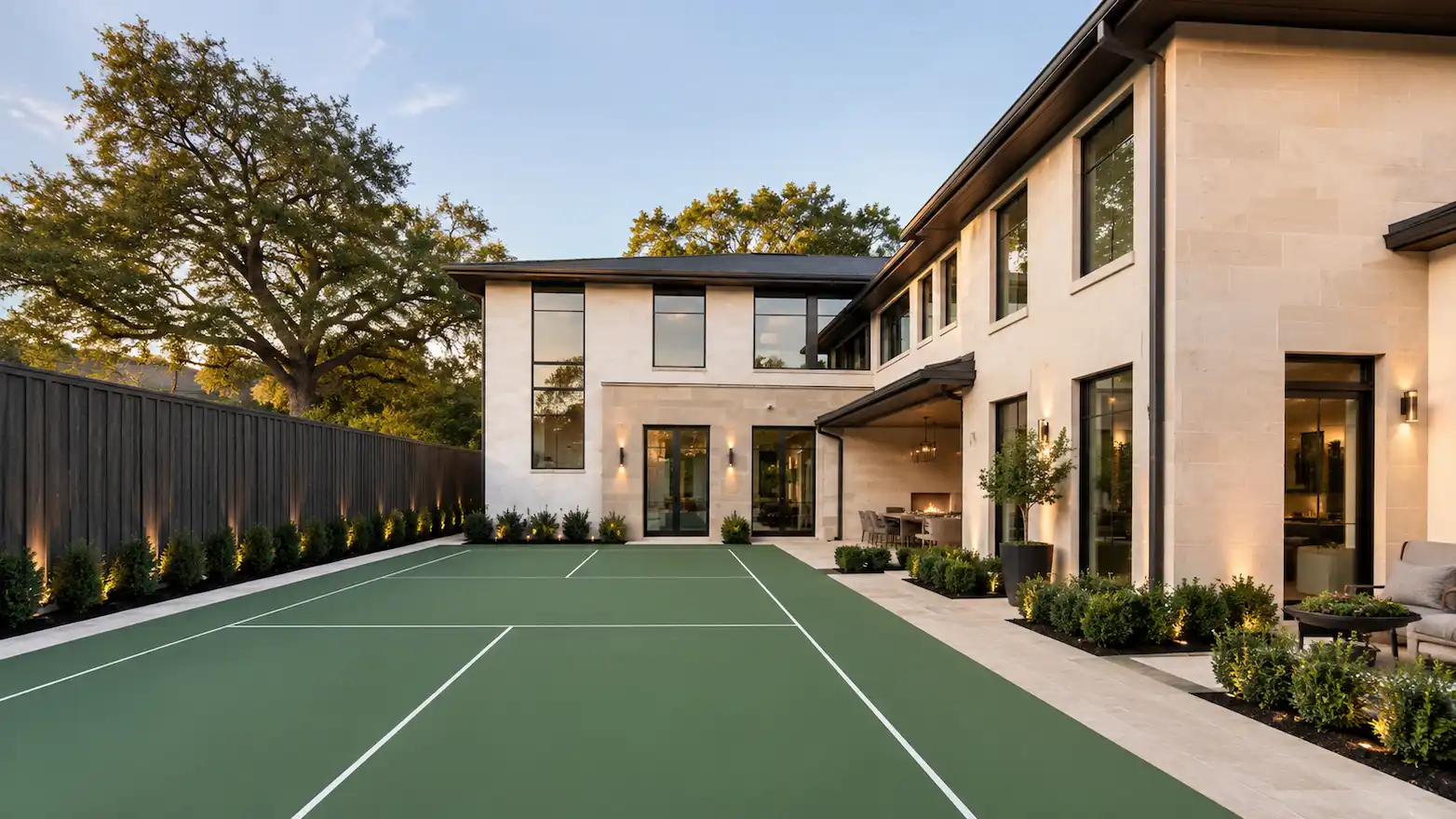
Exterior renovation often starts when the outside of a home still works, but no longer feels as clean, protected, or finished as it should. Paint may be faded. Trim may look tired. Siding may show wear. The front entry may feel disconnected from the rest of the exterior.
That is where planning matters. A curb appeal update is not only about choosing a new color or refreshing the front elevation. Exterior surfaces deal with sunlight, rain, wind, humidity, dirt, and daily exposure. If surface prep, finish selection, and project scope are not clear, the result may look better at first but wear down faster than expected.
At Amour Remodeling DFW, exterior work should begin with the real condition of the home. Before final colors are chosen, the exterior should be reviewed for fading, peeling, trim gaps, siding condition, moisture concerns, and how the update fits the property.
Exterior Renovation Should Start With the Current Condition
Exterior renovation should begin by looking closely at what the home is already showing. Faded paint may be the most visible issue, but it may not be the only one. Peeling, cracking, chalking, exposed wood, loose caulk, damaged trim, or worn siding can all affect how well the new finish performs.
A fresh coat of paint can improve appearance, but it cannot solve every surface problem by itself. In some cases, repainting too quickly can cover warning signs that should be handled first. If old paint is failing or siding needs repair, the project scope should account for that before the finish goes on.
A careful exterior review helps homeowners understand whether the project is mainly cosmetic, protective, or both. The best exterior updates improve curb appeal while helping the home stand up better to daily exposure.
Curb Appeal Works Best When It Has a Purpose
A curb appeal update should do more than make the house look newer. It should help the exterior feel more intentional. The entry, siding, trim, fascia, shutters, garage door, front walkway, porch, and landscaping all affect the way the home is read from the street.
Exterior renovation becomes easier to plan when homeowners know what they want the exterior to communicate. Some homes need a cleaner, brighter appearance. Others need warmer contrast, sharper trim lines, or a color palette that makes architectural details stand out.
The goal is not to make the exterior louder. It is to make it clearer. A home can feel refreshed without looking trendy when the update supports the style of the house.
Surface Preparation Shapes the Final Result
Surface preparation is one of the most important parts of an exterior renovation. Before paint or coating is applied, the exterior may need washing, scraping, sanding, caulking, patching, priming, or minor repairs.
These steps help the final finish adhere better and look cleaner. Skipping preparation may save time at the beginning, but it can lead to peeling, uneven texture, visible flaws, or shorter finish life. Exterior surfaces are less forgiving because they face weather every day.
Surface prep also helps reveal which areas need more than paint. Trim that looks dull may need caulking. Siding that looks worn may need repair. A stain may point to a moisture issue. The finish is only as strong as the surface beneath it.
Siding Repainting Needs More Than a Color Choice
Siding repainting can change the whole exterior, but it should not begin only with a color sample. Different siding materials, previous coatings, sun exposure, texture, and condition can all affect the project.
A color that looks good on a small sample may feel different once it covers the full elevation. It may look warmer in afternoon sun, cooler in shade, or darker beside brick, stone, roofing, or landscape materials. This is why siding repainting should be reviewed with the full exterior in mind.
The project should also consider whether the siding needs cleaning, priming, spot repairs, or caulk work before repainting. If those details are missed, the finished exterior may not hold up as well.
A Weather Resistant Finish Should Match the Home’s Exposure
A weather resistant finish matters because exterior paint does more than change appearance. It helps protect surfaces from sun, moisture, and everyday wear. In Dallas-area homes, heat and sunlight can be especially important factors when choosing exterior products and colors.
Some parts of the home may receive direct sun for much of the day. Others may stay shaded and hold moisture longer after rain. Trim, siding, fascia, doors, and railings may all age differently depending on exposure. Exterior renovation should account for those differences.
Finish selection should also consider the surface. Wood, fiber cement, masonry, metal, and previously painted surfaces may need different preparation and product choices. The goal is a finish that looks good and supports durability.
Trim and Detail Work Can Sharpen the Whole Exterior
Trim has a large effect on the finished look of a home. Fascia, soffits, window casing, door trim, columns, railings, and garage details create the lines that frame the exterior. If those areas are chipped, faded, or uneven, the home can feel less polished even if the siding color is updated.
Exterior renovation should include trim in the early scope conversation. Homeowners should decide whether trim will stay the same color, become brighter, shift warmer, or create contrast. That decision affects the entire curb appeal update.
Detail work also matters because edges are highly visible. Clean lines around windows, doors, and transitions can make the project feel more professional. A fresh siding color with neglected trim rarely feels complete.
Color Should Work With Roof, Brick, Stone, and Landscaping
Exterior color cannot be chosen in isolation. The roof, brick, stone, driveway, fence, walkway, and landscape all influence how the final palette looks. A color that seems perfect online may feel wrong beside a warm brick facade or a cool gray roof.
Exterior renovation benefits from looking at fixed materials first. Roof color, masonry, and major hardscape elements usually stay in place, so the paint palette should relate to them. If the exterior has multiple materials, the color plan should help unify them instead of adding more visual noise.
Landscaping also affects color. Greenery, mulch, stone beds, and seasonal plants can make a home feel warmer or cooler from the street. A thoughtful color plan connects the house to the yard, not only to the paint deck.
Entry Areas Deserve Special Attention
The front entry often carries the first impression of the exterior. The door, trim, porch ceiling, steps, railings, lighting, and nearby walls all shape how welcoming the home feels.
A focused curb appeal update may start here if the rest of the exterior is in good condition. A freshly painted front door, cleaned trim, repaired porch details, updated lighting, or better contrast around the entry can make the home feel more cared for.
Still, the entry should not feel disconnected from the rest of the house. If the door color is bold, the trim and siding should support it. If the porch is refreshed, nearby walls and surfaces should not look ignored.
Project Scope Should Be Clear Before Work Begins
Exterior scope can sound simple at first, but the details matter. Will the project include siding, trim, doors, shutters, fascia, soffits, railings, garage doors, porch areas, or only selected surfaces? Will repairs be handled before painting? Will old caulk be replaced?
A vague scope can create frustration. Homeowners may assume certain areas are included while the project plan focuses only on the main walls. Clear scope helps protect timing, budget, and expectations.
Exterior renovation should define what will be cleaned, repaired, primed, painted, or left untouched. It should also identify surfaces that may need extra attention once preparation begins.
Exterior Renovation Should Consider Timing and Weather
Timing affects exterior work more than many homeowners expect. Temperature, humidity, rain, wind, and surface dryness can all influence the process. Even a well-planned project needs the right conditions for preparation and finish application.
Exterior renovation should account for weather windows and surface readiness. Painting over damp surfaces, rushing between rain, or ignoring temperature conditions can affect the final result. A professional plan should consider when the work can be done properly, not only when it is convenient.
Homeowners should also think about daily disruption. Exterior work may affect driveway access, outdoor furniture, pets, landscaping, or entry points. A clear plan helps the project feel more organized.
Repairs Should Not Be Hidden Under Paint
Some exterior surfaces need repair before painting. Soft wood, damaged siding, open seams, cracked caulk, loose boards, or water stains should be reviewed before the finish is applied. Paint may improve appearance, but it should not be used to hide problems that need attention.
Exterior renovation should separate cosmetic wear from conditions that can affect performance. Faded paint is one thing. Moisture damage, failing caulk, and deteriorated trim are different concerns. If these issues are ignored, the new finish may not last as expected.
A better project starts with honesty about the surface. Once repairs are understood, the finish can do its job more effectively.
Exterior Painting Can Support a Larger Update
Exterior painting is often part of a larger exterior renovation. New windows, roofing repairs, siding work, landscaping, porch updates, lighting, or garage door changes can all affect how the painting should be planned.
If painting happens before other exterior work, finished surfaces may be damaged later. If it happens too late, the project may feel incomplete for longer than necessary. The right sequence depends on the full scope.
Homeowners planning an exterior refresh can review Amour Remodeling DFW’s exterior painting services to see how exterior painting can support curb appeal, surface protection, and a more finished home exterior.
A good sequence reduces touch-ups and helps the final exterior feel connected.
Long-Term Maintenance Should Be Part of the Plan
A strong exterior update should be planned with future maintenance in mind. Some colors show dust, fading, or surface wear faster than others. Some materials need more frequent attention. Details such as trim and caulk lines may need periodic review.
Exterior renovation is not only about the day the project is finished. It should help homeowners understand how to keep the exterior looking cared for over time. That may include washing surfaces, watching for peeling, checking caulk lines, trimming plants away from walls, and addressing small issues before they become larger repairs.
The best exterior updates make maintenance easier because the surfaces, finishes, and details were chosen with real conditions in mind.
Plan Exterior Updates Before Choosing Final Colors
The strongest color decisions happen after the exterior scope is clear. Surface condition, trim needs, siding repainting, weather exposure, fixed materials, repairs, and project timing should all be reviewed before final colors are chosen.
Color is important, but it should not carry the whole project. A beautiful color over poor preparation will not deliver the result homeowners want. A durable finish in the wrong shade may protect the surface but leave the exterior feeling disconnected.
At Amour Remodeling DFW, we help homeowners look at exterior painting as part of the home’s overall appearance and protection. If your home needs a cleaner, more finished exterior, ask Amour about exterior painting for your Dallas-area home before choosing the final scope.
FAQ
What is exterior renovation?
Exterior renovation includes updates to exterior surfaces, paint, trim, siding, entry areas, finishes, or details that improve appearance and protection.
How does exterior renovation improve curb appeal?
It can refresh color, sharpen trim, repair worn surfaces, improve entry areas, and make the home look more cared for.
Why does surface preparation matter before exterior painting?
Surface preparation helps paint adhere better, reduces visible flaws, and addresses issues that could shorten the finish life.
What is a weather resistant finish?
A weather resistant finish is chosen to help exterior surfaces handle sun, moisture, temperature changes, and daily exposure.
When does siding repainting make sense?
Siding repainting makes sense when the siding is faded, dull, worn, or visually disconnected but still suitable for repainting.
How should I start an exterior painting project?
Start with a review of surface condition, repairs, trim, color goals, finish needs, weather exposure, and project scope.